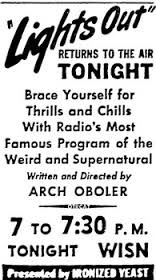
 Lights Out! (1934-1947) aired “The Little People (aka Shrinking People)” on Tuesday, July 27, 1943 as the 43rd of the 52 episodes of the 1942-43 season. This is our 22nd Lights Out! episode since June of 2009 but only the 5th since September of 2016. Since our last episode in 2025, where much material was put forth about the series’ history, as well as behind the scenes anecdotes concerning the program’s wild popularity, we felt it was time to repeat the fascinating back story for newcomers.
The original iteration of Lights Out! ran from 1934-39, producing some 274 original scripts (of which only around 140 are believed to still exist), though it was revived for short periods of time–using many recycled or updated scripts from the 1930s–off and on until 1947. The show was created by Willis (aka Wyllis) Cooper who, the story goes, after a hard day’s work and tired of listening to the same old late night radio dance band programs, decided to write his own supernatural and horror stories for his own amusement (though he frightened himself so much that sometimes he couldn’t finish his own stories until the next morning). A fan of mystery and horror stories (he was especially frightened of ghost stories), he eventually convinced a local Chicago radio station (an NBC affiliate) to produce Lights Out! using his own material, and which would air at midnight, far past the bedtime for impressionable children. After the show had run for maybe a year it was announced without fanfare that the show was at an end, whereupon the radio station was deluged with irate fans from around the country demanding the show continue. Bowing to the pressure, the program was quickly revived and within three weeks Lights Out! once again was scaring the pants off of its ever-growing cult-like audience. It became so popular that fan clubs sprang up all over the country and numbered around 600 by mid-1936. Small to large groups of fans would gather at a host’s house and play cards or listen to the radio for hours ahead of the show’s midnight airing, for it was the early 1930s episodes that made it one of the most talked about horror shows of all time, notably for its gruesome sound effects and grisly scenes of murder (dismembered bodies, bodies dissolved to bones in acid baths, etc.).
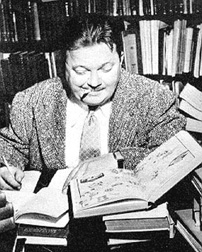
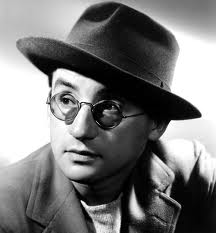 Even the cast and crew became so involved in the plays they were reading or producing that as the programs began all lights in the studio were turned off, except for the pin lights needed for the reading of the scripts or those needed by the equipment technicians. Cooper (1899-1955, photo at left) was at the helm from the show’s inception in 1934 through mid-1936, at which point he would venture to Hollywood to work on films (most notably the script for 1939’s Son of Frankenstein). From 1936 on, the wunderkind Arch Oboler (1909-1987, photo at right) would, with rare exceptions, write all of the show’s scripts through the 1943 season, sometimes borrowing or adapting stories from his other radio shows, a few with a much more social or political message (Oboler was a staunch anti-Nazi)–-though retaining the much-loved supernatural or horror element. Following the 1943 season, others would script the various episodes, including Wyllis Cooper who would pen a handful or two over time. Oboler would remain connected to the show as either producer, host, or both; however, the money he was paid for his Lights Out! efforts would help finance his own private radio plays for which he would come to be highly regarded, especially during the war years amid the fervor of anti-Nazi sentiment in the United States.
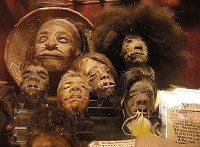 “The Little People” involves a famous explorer back from his adventures in the largely unexplored Amazon rainforest of Brazil. He is giving a packed house lecture replete with artifacts, film, and harrowing stories of the headhunters he has encountered, along with their skill at shrinking the heads of their enemies. Received with high praise from his audience, the explorer retires to his backstage dressing room only to find, much to his dismay, his beautiful wife tickling tonsils with a handsome young man. Caught in the act, the explorer’s wife tells him she wants a divorce which puts him in a smoldering rage. Not to spoil the fun that is about to take place, the explorer’s insane jealousy lights a psychopathological fire in him he didn’t know he possessed. The details that get more graphic as the tale progresses are for you, dear listener, to discover, as we are given the twisted mind of a sick individual whose depraved behavior knows no bounds. If you can, listen carefully and at your own risk as you learn what dark alchemy and evil conjurations not known to the outside “civilized” world turns normal sized people into “The Little People.”
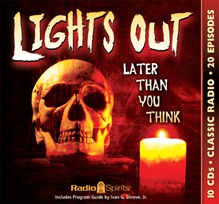
(The CD linked above contains this episode and 19 others on 10 CDs, all restored and remastered.)
Play Time: 30:56
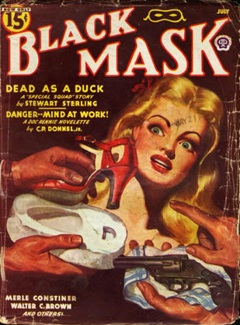
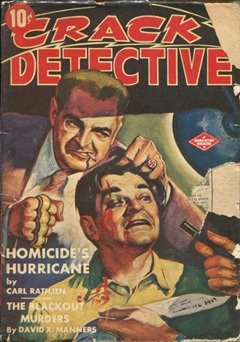
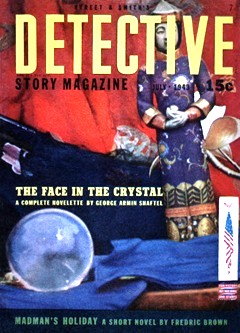
{This episode of Lights Out! aired on a Tuesday evening at 7 PM Central and 8 PM Eastern time, as did all of the episodes from the 1942-43 season. This was perfect timing for the neighborhood gang, as they could still get plenty of sleep before heading off to the corner newsstand the next morning, sure to be the first ones through the door and to the shelves where their favorite pulps awaited them. Black Mask (1920-51) was the undisputed king of the detective pulps, so when it came to detective magazines Black Mask was a no-brainer. In 1943 it transitioned from a monthly to a bi-monthly, ending the year with 7 issues. Crack Detective (1938-57) was probably most famous for its eight name changes (most slight) in its long run, though it cranked out enough solid material often enough to keep its presses running for almost 20 years. It was a bi-monthly in 1943. Street & Smith’s Detective Story Magazine (1915-53) began in 1915 with the title Detective Story Magazine, but from February 1931 forward Street & Smith publishers, like it did with its other magazines, added its name to the title, one that stuck for the next 23 or so years, making it not only one of the longest running detective pulps of all time, but the very first devoted to detective fiction. It was a monthly in 1943.}
[Left: Black Mask, 7/43 – Center: Crack Detective, 7/43 – Right: S&S Detective Story Magazine, 7/43]
To view the entire list of weekly Old Time Radio episodes at Tangent Online, click here.