Tangent Online 2025 Recommended Reading List
SFWA/SF Magazines:
Selling Freedom of Expression
for
Thirty Pieces of Silver
“Free speech is a human right. It is the free expression of thought that is the essence of being human…it is the natural condition of humans to speak. It is compelled silence or agreement that is unnatural. That is why it takes coercion or threats to compel silence from others.” –Jonathan Turley, The Indispensable Right: Free Speech in an Age of Rage

 Two years ago I used this space as preface to our 2023 Recommended Reading List to comment on several issues pertaining to SF at large, and SFWA in particular. Last year I continued the theme by expressing my view that SFWA is heading down a dark road by engaging in politics rather than concentrating 100% of its time, energy, and money on its traditional goal as that of a writers organization rather than an organization with social justice as its true, sotto voce focus.
This year, as the third leg of this thematic triptych, I would like to examine examples of how SFWA and many (not all) of the science fiction and fantasy magazines (print and online) quietly, behind the scenes in some cases and more overtly in others, and which are noticeable to those who follow the magazines closely, have been limiting writers’ freedom of expression by discouraging certain viewpoints on various themes that can best be described as political.
The attempt by SFWA from one of its elected officers, which is indicative of a general tendency to stifle free speech, goes back decades, and is something I can attest to from first hand experience.
From 1993 to 2002 I was a member of SFWA, and from 1999-2002 was Bulletin editor. At the time, SFWA was hosted by a large, sprawling social media platform called sff.net. There were forums and topic rooms for individuals as well as any subject under the sun, including many where various SFWA business matters could be conducted, some open and some private and open only to certain SFWA members or groups. Some members spent a lot of time in one or more groups or topics, their presence a known quantity for the better part of what seemed like every day. Some hung out in only a few areas, while some hardly checked in to any SFWA topics at all. After the shine wore off from visiting a number of forums, learning who the players were and the variety of topics and issues being discussed, it became apparent that more and more the overall atmosphere in a growing number of forums was one of acrimony and aggressive behavior over even the slightest disagreement. Things got personal at the drop of a hat, feuds over nothing erupted into flame wars to the point where they were ruining the experience for the majority of those visiting these forums who wished only to take part in meaningful give and take over a broad spectrum of issues important to everyone. Eventually, over time, it got so bad that many members became disgusted and disappeared for new forums and topic threads where hate and destructive online behavior was absent. About this time I had had enough as well, finding myself becoming one of those I hated, coming each day to a popular forum or topic ready to pounce at the first imagined (or real) personal slight, with defensiveness at the ready rather than a smile and pleasant attitude where giving someone the benefit of the doubt was the way I used to approach the day. The aggressive personalities of too many of the vocal, always in-your-face SFWA members had worn me down and had almost turned me into what I despised in others. Then an incident occurred one day in early 2002 that ended up being the straw that broke the camel’s back. A well known, award-winning author somehow found where I was on sff.net, at a particular time, and sent me, right there in an open forum, an article he was submitting for my consideration as Bulletin editor. I had never seen him in any forum or topic thread on sff.net before. I quickly attempted to let him know that this was not the place to submit an article, but to resend it to my personal email as the way to go. Before I knew it a number of the “regular” sff.net shoot-and-ask-questions-later crowd had pounced on this author’s article and began finding fault with it wherever they could. The poor author didn’t know what had hit him and wondered with deer-in-the-headlights shock what he had done wrong and why everyone was attacking his article. He couldn’t believe people acted this way. He didn’t deserve this treatment even though he had sent his article to the wrong place, so I began defending him, deflecting the unwarranted attacks aimed at him from one of the usual low-life SFWA mobs. Before too long there came a post from a high-ranking SFWA officer telling me to stop, to desist sparring with these SFWA members, that it was unseemly (or whatever the equivalent word was used, though unseemly pretty much nails it). I couldn’t believe what I was being asked to do, so I asked this high-ranking SFWA officer if they were ordering me, in their official capacity, to stop texting to those members who had mercilessly pounced on this author’s article in this public forum. The answer came back, “Yes.”
That “Yes” was all I needed. Knowing the then SFWA President was a rabid anti-fascist and diehard defender of freedom of speech, I cut and pasted the texts leading up to and including the official order by that high-ranking SFWA officer ordering me to stop texting in defense of the author whose article was under attack. The response was almost immediate and was a scathing rebuke of what the SFWA officer had ordered me to do. This SFWA President sent a copy of his rebuke to every SFWA officer and board member as well as to all of the Regional Directors. The gist was that this was never to happen again and would not be tolerated as long as he was President. I had won that skirmish but had already had enough of SFWA infighting on a daily basis, so when, a few months later, the annual Nebula Awards weekend was held in Kansas City, MO, I resigned as editor in the middle of the festivities. Through an intermediary, I was more or less begged to stay on until a replacement could be found, so agreed to do so (with a raise) for one more quarterly issue. Little did I realize that SFWA’s founder, Damon Knight, had died a scant 12 days earlier, and the one final issue of the Bulletin I had promised to edit would be a Special Tribute Issue devoted to SFWA’s founder. One thing that would become clearer to me as time went on was that in different situations and in different ways, the kneejerk reaction from SFWA would be to stifle free speech whenever the opportunity presented itself.
A case in point regarding freedom of speech would come roughly a decade later, around 2013, when two of the Bulletin’s most popular authors would in essence be run out of town for a couple of innocuous descriptions of female editors they had used in one of their joint columns discussing an early professional writer gathering of the 1950s. The columnists were taken to task by a vocal, activist element of the Speech Police wing of the Progressive watchdogs which were a growing percentage of SFWA’s membership. The upshot was that the columnists ended their popular column after something like 15 years of illuminating historical work on issues pertinent to the business of writing, and for the first time in its history the SFWA Bulletin went on an extended hiatus. As usual, because a few “progressive” actors felt a couple of otherwise unobjectionable (to the world at large) adjectives, in part describing female editors in the particular situation, time, place, and context of the column were offensive to all women, they hooted and hollered as if the sky was falling and the world was coming to an end because of this imagined slight. The upshot was that for all the noise being made over such a relatively trivial matter (as the rest of the normal world would see it), the Bulletin was shut down, its female editor choosing to resign as well, having received her share of the heat for the cover she had approved. The risk/reward hardly seemed appropriate, with the existence of the Bulletin itself, and those it served, the true losers. The Bulletin was not only available to SFWA’s membership but to the public. But now, another mode of expression and discourse was eliminated, at least for the nonce. An attempt was made a couple of years later, to revive the Bulletin, but first a new editor had to be found and vetted, which led to even more restrictions on freedom of speech in anything and everything printed in the Bulletin. For an explanation of what took place while in search for a new Bulletin editor, please read the following article and resulting petition, where the then SFWA President called for an overseer board of SFWA members to make sure that everything in the Bulletin now met SFWA’s “vision,” said “vision” never clearly defined. After what felt like an eternity with no Bulletin, a suitable editor was found and the Bulletin resumed publication. But it was never quite the same. From what little I have been able to gather since then, I’m not sure if much ever came of volunteer members overseeing Bulletin content (though it may have) but the thought itself is chilling, especially for a writers’ organization. But content being supervised or not, after a few years the Bulletin was seen less and less (it went from print and digital to digital only in 2018) and then not at all (last known issue was in October of 2021). And then it was made official in July of 2025 that there would be no more SFWA Blog (for the free exercise of opinion or freedom of expression on any number of topics) and that it would be replaced by something called Planetside: The Online Magazine of SFWA. Under their Submission Guidelines we find the following topics (along with a few others): “Potential topics may relate to, but are not limited to: the craft of writing, the business of writing and publishing, critical examinations of tropes in SFF, [and] social issues in SFF…” Emphasis mine. It is terminology like “tropes in SFF” and “social issues in SFF” that are disturbing in lieu of SFWA’s previous attempts to control language and diversity of thought from its now solidly entrenched Progressive/Woke membership base and current like-minded cadre of officers. These phrases could easily allow only articles in line with SFWA’s “vision” or “standards” as mentioned in the 2014 emails by the former SFWA President who put forth the idea of a possible overseer group of members who would approve material for the Bulletin only if it was in line with SFWA’s standards or vision. The current line in the Planetside Submission Guidelines could easily be interpreted as just verse two of the same song from 2014. So now, as of late 2025, not only have columnists been shown the door from immense progressive pressure from inside SFWA, the Bulletin over the intervening years has been suspended several times and is now, for all intents and purposes, dead. Planetside doesn’t pretend to be a replacement for the Bulletin and does not serve the same function. What remains a fact is that once free speech was attacked in the Bulletin its end was written on the subway walls and tenement halls across the SF genre at large. The sad part is that newer generations of SFWA members didn’t care, for why should they care for that which they never knew?
One very important takeaway from all this is that SFWA takes many of its social and political cues from real world social and political ideologies, for good or ill. And in turn, many of the SFF magazine editors, like the little ducklings they have proven to be, take their cues from mother duck SFWA, reinforcing certain views these younger editors see from the real world. When SFWA endorses such organizations (along with that organization’s goals and philosophies) like the official ultra-corrupt BLM movement or a racist social set of ideals like DEI, then magazine editors might justifiably flinch when presented with a story promoting decidedly opposite viewpoints and quickly decide not to accept it, for fear of intimidation from the Progressive activists who tolerate nothing outside of the Woke dogma they feel righteously compelled to enforce. Should anyone doubt that BLM was founded by a trio of self-described, trained Marxists and that their views are not in the best interests of SFWA, especially as an organization consisting of multi-racial members (most of whom are caucasian I hasten to add), I point to the University of Minnesota’s Institute of Child Development web page with its study on the “White Pandemic.” This investigative study covers a myriad of subjects related to the perceived problem of White Supremacy and the White Pandemic and what white people can do to better understand the evil of their born-at-birth racism due to their simply being born white. Under the Resources section (“Practical resources for self-reflection as an anti-racist person”) are a number of publications or reference materials, one of which is Black Lives Matter. Once again, it is time to remind SFWA that it is a writers organization and not a social activist society. It should never have involved itself in politics in the first place. An even worse situation arose within SFWA after the unprovoked Hamas slaughter of over 1,000 Jews on October 7, 2023. Since SFWA had already crossed the (barely legal for a non-profit organization) political line by advocating for BLM with an official statement by the entire SFWA board, a number of SFWA members called on the organization to advocate for Palestinians following the attack (nothing of consequence, if anything at all, was said about the slaughtered Jews). Legal restrictions in this particular case due to SFWA’s 501(c)3 status prohibited any such specific advocacy but enough members still weren’t satisfied. The upshot is that SFWA compromised with their “Writers in Crisis” policy. Reading the fine print (i.e., between the lines) of this generically worded statement (which could be interpreted in ways to suit almost any viewpoint as to who would get SFWA’s aid) it becomes rather obvious with a moment’s thought that Writers in Crisis’ calling card could easily become: Hello, we are The Literary Science Fiction Workers Union of the World and are here to help. It is easy to see the direction SFWA is heading by shifting its emphasis from a focused writers organization to one of global social awareness advocacy, with a writers organization as its “legitimate” public face, but this is a fundamental error in judgment of the highest order and a betrayal of its founding raison d’etre. I wonder what percentage of SFWA’s membership is aware exactly to whom and how much of their annual dues (some as freebie grants which need not be repaid) are going to certain (sometimes questionable) groups or organizations around the globe. Be that as it may, it is also possible that a number of SFF magazine editors believe what SFWA officially espouses as something to which they already subscribed on their own, and would therefore be automatically rejecting any story not adhering to the strict tenets of those in charge of agitprop from the propaganda ministry deep inside the Woke hierarchy of SFWA. Virtue signaling by publishing only stories in line with any current social or political dogma is a much easier path for an editor to follow and guarantees continued acceptance from the tribe in power, than it is to buck the system by honoring the principle of freedom of expression by publishing stories with a different point of view, even though it would upset certain segments of their readership. Agenda trumps freedom of speech or the health of their publication every time, for their cause is just. But such an unprincipled and cowardly stance from any editor reveals that he or she is not primarily concerned with their publication’s long term survival (i.e., revenue stream/circulation) as much as they are with some restrictive ideology which mandates they provide stories (those dealing with a social or political theme in foreground or background), that only a certain segment of their readership will be guaranteed to like, not challenging them to think or question accepted or expected points of view, but giving them something safe and comfortable, overall story quality and originality be damned. Science fiction doesn’t work that way. In the long run, and with the survival of their publication supposedly being their top priority (though some editors fail to realize the obvious), these editors would do well to remember the words of legendary NBA superstar Michael Jordan, when explaining why he chose to remain non-political as the top Nike sneaker spokesperson he quipped, “Republicans buy sneakers, too.”
I can hear the indignant, outraged howls of certain SFF magazine editors now, trying with as much energy as they can muster, to outdo the disciple Peter when he forthrightly denied Christ three times before the cock crowed. They swear they publish only the best of what they receive regardless of social or political theme or viewpoint, and how dare anyone suggest otherwise! The simple response to this outlandish claim is to ask for proof. Ask these editors to point to any of their stories, whether in foreground as theme or in background as setting or the views of a character as they make their way through a story, where any conservative policy or theme is presented in a positive light. In any such stories are the police admired and respected for what they do, for one example? Are current United States southern border policies extolled and given credit for the safety they provide, for another example of many? Words are one thing but proof tells the tale. From but two recent examples from 2025 here are links to stories from Strange Horizons and Lightspeed. The first is from the October 20th, 2025 issue of Strange Horizons and a story titled “Bullet Time at the Kink Party” by Miriam. It advocates in no uncertain terms the killing of cops. This link will take you to Tangent’s review, with another link to the story itself. The second story is from the November 2025 issue of Lightspeed and advocates (in graphic language at times) a wish fulfillment whereby one person is able to rescue illegal immigrants attempting to cross America’s southern border and the utter and undisguised disdain for the government in question. This first link is to Tangent’s very lengthy review of the story, the title of which is “In the Zone” by Lisa. M. Bradley. This second link is to the story itself. It doesn’t matter whether or not one believes in the themes of these stories. The point is that two different editors from two publications have bought and published stories very much cut from the same bolt of ideological cloth. What are the odds they would even consider publishing stories where the cops are admired and respected, or the current southern border policy in 2025 would be lauded? The odds are less than zero if current trends in any number of SF magazines are any indication today. And this is because it is easy to publish stories parroting the current cultural consensus in some quarters of the liberal SFF community. These editors self-censor certain types of stories coming their way from the very beginning, reducing by half the intellectual diversity they claim to promote. This deprives nearly half of their perceived audience from being exposed to any new viewpoint or creative take on any number of hot political, social, or even cutting edge technological topics that may challenge their progressive views. And SFF, in those stories meant to challenge established morés or norms, is what keeps it alive and kicking as a genre. This reminds me of a Damon Knight quote I’ve used as a signature line in my emails for years. It is more relevant now than ever:
“When any category of science fiction writing has become dull and repetitive, there is always a brilliant story waiting to be written by giving up the assumptions that made the story easy to write.”— Damon Knight
For those SFF magazine editors who opine that they aren’t receiving the variety of stories they desire for a well-rounded magazine inventory, here is some sage advice from one of SF’s all time award-winning writers, editors, and SFWA Grand Master Frederik Pohl (from an interview I conducted with Pohl in 1977):
 “I have a great deal of vanity about my ability as an editor and therefore I don’t want to discuss anybody else. It takes quite a lot to edit a magazine, or for a book publishing company the way that I think is ideal – which nobody ever comes up to. But one of the things it takes is a lot of energy and a lot of willingness to go out and get things, not just sit and wait for them to happen but to go out and talk to writers and persuade them to write something, to suggest something they may do. And not too many of the editors of today are doing that. They must be aggressive in a useful way.” … “The other thing that I think is a little lacking is the willingness to take chances, to do things that nobody else has done. Some of the most successful things I’ve published have just fallen in my lap because nobody else was willing to publish them.”
This essay is meant to illustrate by way of a brief sketch a few points in the evolution of SFWA’s thinking in terms of its direction and goals. It is clear that a streak of growing fascism pervades its long-term direction. A common, historical definition of fascism can be condensed and described by its defining characteristics, one of which is, as a fascist regime, the active suppression and quelling of free speech. This is a core component of their totalitarian nature and is considered incompatible with democracy and liberal ideals of free expression. This suppression of free speech extends to many areas (including the arts) and is accomplished by censorship, propaganda, and the silencing of political opposition., the goal being strong central control by a government or organization, with no diversity of thought or expression tolerated. Numerous examples throughout history prove these factual observations of fascist characteristics beyond the shadow of a doubt. When it comes to SFWA and a fair number of the field’s SFF magazines (pro or semi-pro), first recall that an order to silence a SFWA Bulletin editor came from a SFWA officer. Thankfully, it was overruled. Next, up the timeline a decade or so, and history records that otherwise innocuous remarks made in the context of their time in a Bulletin article by two of SFWA’s most respected authors was evidence enough by SFWA members to don their Speech Police badges of righteousness and moral superiority and hound these award-winning writers from their long-running Bulletin column. Fascism at its best, as the Wrong Think mob proved that tolerance was only an ideal they preached but were not obliged to follow. Up the timeline a few more years and the Bulletin itself was no more, thus no threat of dangerous opinion or speech was possible from this literary genre magazine previously available not only to SFWA members but the public as well. Up the timeline a few more years once more and we find SFWA turning its focus inward by officially endorsing social activist (and borderline political) groups and social justice causes like BLM and DEI. Some BLM chapters (loosely, but not formally affiliated with the main BLM national organization) have spoken out against Israel after the Hamas attack on October 7, 2023, and have been labeled as anti-semitic, while others have stayed silent. BLM has been noted as a reading reference source (see link above) in a study exploring white supremacy and how white parents can teach their children to avoid this inherited ignominy. DEI, like BLM, has vocal supporters and detractors on both sides. But the overriding point to be made here is that SFWA has no business as a literary writers organization in directly involving itself in such political issues on an official basis. It is bound to offend a large percentage of its paying membership regardless of which side of any political or social stance for which it officially advocates. The usually easy answer is to mobilize an opposition and vote the bums out. But like any good story, an obstacle or problem is placed in the protagonist’s way that must be overcome before a solution can be achieved. In this case, the obstacle to righting SFWA’s disastrous course is the very nature of its power structure, for as a radically left-leaning progressive organization (witness its political/social leanings and attempts to branch out globally to aid its vaguely-defined “writers in crisis’) its only leverage to remaining in power is to double-down on what the public perceives as its benevolent and oh so innocent facade as a literary organization with only the betterment of its members as its one and only purpose. In reality, and gradually over time, these progressive activists have infected SFWA so deeply with their intolerant views and favoritism for left-leaning causes that their numbers currently make it almost impossible to vote the President and other members of the board out. The more “marginalized” groups SFWA seems to discover and offer special deals to (reduced membership fees, free membership to virtual Nebula events, etc.), or provides aid to some through grants, are much more likely to support any official SFWA party line on important issues should their members later gain full SFWA membership, than if special privilege were not initially offered. Why would they bite the hand that feeds them and vote in opposition to any important SFWA vote? SFWA is their friend. They owe SFWA, and that’s the way SFWA likes it. A lesson SFWA has learned from real world liberal politics, easily transferred to SFWA politics.
Becoming a selling writer is a noble goal, full of prestige and garnering the respect of others, strangers and friends alike, and if you are a diehard fan of science fiction and/or fantasy then becoming a SFWA member might be one of your lifelong dreams. You belong to this fabulous club of like-minded enthusiasts who also write the literature they love. To borrow an appropriate metaphor, SFWA has always seemed like this shining city on the hill ever since you were old enough to enjoy SF. But SFWA has changed drastically over the years while you were growing up. It may look the same in some respects from the long view at the bottom of the hill, but close up and over time you see its warts and creeping deformities from the inside. You come to find that many of the writers you used to enjoy reading have left the organization in disgust or disappointment, shaking their heads in disbelief and sadness. I’ve heard it said from at least one well known, award-winning author that the only thing resembling the organization today from its past is its initials–SFWA (and even they don’t stand for what they used to, the organization having dropped the words “of America” and replacing them with the more generic “Association.”
So if you are a new writer (young or old, male or female) and desire to make one of your dreams come true and become a member of SFWA, know that should you cross the SFWA establishment (or their minions who do most of their intimidation through the fan press or social platforms) they will not brook dissent and will do anything to maintain their absolute power. They will lie, smear, and attempt to harm your career in any way they can, for keeping their agenda and power intact far exceeds the good of the organization they pretend to promote and protect. What SFWA does for its writers is only in service to its political agenda, which they guard at all costs. SFWA exists today on the backs of those who built the organization, brick by brick, over the decades. The officers hide behind the achievements and the respect the organization has earned over time while calculatedly closing the walls around freedom of expression by various means, some blatant, some more passive and difficult to spot unless you squint. But be not overly alarmed, for you have now been warned of the rules of the game you have elected to play. SFWA will smile and offer you the privilege of admission (for $100!) to their once highly respected club should you meet their ever-less rigorous membership requirements, where they promise you will enjoy the benefits that used to mean something, as their equivalent of Judas’s thirty pieces of silver. But the price is steep, for by accepting SFWA’s thirty pieces of silver, you will be forced to forfeit your diversity of thought and freedom of expression through the articles you may write for any of its publications. And likewise, for any number of SFF publications, magazine editors will offer you, as their equivalent of thirty pieces of silver, the privilege of publication in their magazines (with token payment) if you promise not to rock the ideological boat in stories you may want to write whose values do not align with their progressive agendas. They won’t come right out and voice such an admission of bias, of course, but an understanding will be conveyed nevertheless. Writers talk. But if you are still in doubt and tussling with your conscience, remember that a few pieces of tarnished silver is spent quickly while your story and byline will remain behind for the rest of your life. And also consider this: as you grow older and have more life experiences to fuel your imagination, the way you view the world will evolve and might not match the restrictive guidelines of any particular magazine. But the strictures placed on your creativity by magazine editors will do more harm to your own freedom of expression and will eventually harm the SFF field more than anyone can imagine. It has long been part of SF’s history that the magazines have been the experimental testing grounds for new, different, and creative ways to view this complex, ever-changing world. But if SFF editors reject everything not in ideological agreement with some far left radical progressive thought police, then, like now, SF will be known for what its magazines are not publishing, what is not seen, which is apparent even today if one reads the magazines carefully enough. When stories deal with politics or social issues from only one approved point of view then the stories will become boring and uninspired. If anything, SFF should challenge readers, not feed them bland pablum with no creativity or diversity of thought. So think twice before submitting that easy to write story to appease some magazine editor. It’s not worth losing respect for yourself and sacrificing the integrity of the genre for thirty measly pieces of tarnished silver that doesn’t shine as brightly as it used to. You’ll regret it and the genre will be the poorer.

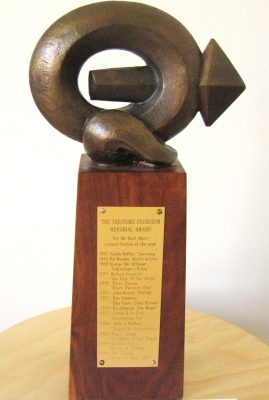 Theodore Sturgeon (1918-1985, photo at left) was one of the genre’s most gifted, respected, and revered short story writers. He sold his first story in 1939 at the beginning of what many consider the Golden Age of SF (1939-1950). While he would write all manner of stories during his lifetime, one of his favorite themes was the nature of love, its many faces and what made it one of the most wonderful, yet troubling and misunderstood of human emotions. In 1987, a mere two years after Sturgeon’s passing, 2007 SFWA Grand Master James Gunn would create, along with Sturgeon’s heirs, the Theodore Sturgeon Award for excellence in short fiction. A trophy was commissioned (photo at right) featuring the iconic symbol of the letter Q with an arrow running through it. This symbolized Sturgeon’s trademark phrase, one he created in an essay he wrote for the June, 1967 issue of Cavalier Magazine. A snippet from that “Ask the Next Question” essay:
“Every advance this species has ever made is the result of someone, somewhere, looking at his world, his neighborhood, his neighbor, his cave, or himself, and asking the next question. Every deadly error this species has ever committed, every sin against itself and its high destiny, is the result of not asking the next question, or of not listening to those who do ask it.” … “Let me here caution you never to abandon the [ask the next question] technique when it leads you to a conclusion you like. Ask that one more question again, and ask it again….”

My question now becomes, “How are science fiction writers expected to ask the next question on any number of hot-button topics when the progressive agenda and its inviolable thought and speech mandates prohibit any answer that may contradict their fascist policies (no contradicting the party line being a defining predicate of the fascist manifesto)”? Remember that backlash from an otherwise reasonable column in the now defunct SFWA Bulletin ended up running two of SF’s finest from its pages by the self-appointed Speech Police not all that long ago. How can a science fiction writer be expected to explore only certain approved themes and advocate for only one approved viewpoint of said themes? Not until certain kinds of stories begin to appear in many of the higher profile pro- and semi-pro magazines can we honestly believe that editorial policies will have changed and freedom of expression will have been restored. Until then all we have will be the repeated, sputtering, outraged denials by magazine editors that only one viewpoint will be approved in their magazines. Words and promises are one thing, actions are another. But until that time, the only thing being marginalized by SFWA and a number of prominent SF magazines, is any viewpoint not approved by the “progressive” (contradiction in terms alert) establishment.
Finally:
“There is one great advantage to believing in a natural or autonomous basis for free speech: a certain optimism. This anti-free speech movement cannot entirely change us. We are hardwired for free speech with a psychological and even a physiological impulse to create. If you believe that free thought and expression are the essence of being human, that impulse cannot be entirely extinguished. While we can lose our appetite for free speech, we never truly lose our taste for it. In the end, our faith in free speech is really a faith in each other. A faith that we do not have to fear opposing viewpoints, but rather the inclination to silence others. There may be bad-tendency speech, but the worst tendency is found in the effort to protect society from harmful thoughts. This is indeed an age of rage. However, rage is not what defines us. It is free speech that defines us.” –Jonathan Turley, The Indispensable Right: Free Speech in an Age of Rage
—Dave Truesdale
(November/December 2025)
As with previous years, the following list is not meant as comprehensive, there being a number of items we didn’t see, especially at the novella length. As was the case with the last several years, we narrowed our focus (with some exceptions) to those stories published in professionally paying markets.
There are 306 stories on this year’s list (up 16 from last year’s 290): 252 short stories (up 26 from last year’s 226), 46 novelettes (down 8 from last year’s 54), and 8 novellas (down 2 from last year’s 10). As with any such list—especially ours with its ever-changing review staff—different reviewers bring different perspectives on how to approach stories, how they are thus measured, and of course the stories themselves are of different “quality” (up or down) if such a thing as quality can be measured by any objective standard. However, it does seem as if each year has its own nebulous, general level of quality, with some years being commented upon in retrospect as great years for quality fiction and others not so much. There are just too many variables to nail down as to why any given year—or recommended reading list—has more or fewer stories placed on it by a different cast of reviewers, each of whom brings their own individual set of standards to the fiction they read.
Such a list as the one below brings to it a rather broad cross section of the genre’s readership (i.e., that nameless reader at which short fiction venues are always aiming to attract). Some reviewers are relatively new to SF/F, while others have a long relationship with the genre but may not have experience at the reviewing end of the process. There are those who have read extensively for decades and who have experience at reviewing as well; there are a few selling writers who know from experience what goes into crafting a work of fiction, and there are those with an academic viewpoint and wide knowledge of the genre who bring a more critical approach to the fiction they review, and then place on this list.
As is our custom, there are four sections to each length category. Those making the list in the short story, novelette, and novella lengths but having no stars, and those with either one, two, or three stars, according to how well the reviewer or reviewers valued a particular story. From time to time you will see more than a single reviewer’s initials following a given entry. We have placed the story in the category receiving the most stars. Thus, it is possible that while one reviewer placed a story on the list without any stars, another also placed it on the list but with one or more stars, thus elevating that story to the higher ranking. Where there are more than one reviewer’s initials following a story recommendation, they appear in no particular order, thus making it impossible to determine which of the reviewers provided this higher ranking. Conversely, it is also possible that each reviewer held the same opinion of any given story.
If a story is placed in an incorrect length category, please let us know and we’ll be happy to correct the oversight. Reviewers are free to place stories on this list from any of their reading during the year, and are not restricted to those venues covered here, nor to publications they have personally reviewed.
If you would like to review for Tangent Online, knowledge of the SF/F/H genres is a must, and reviewing experience is highly preferred. Interested parties may contact the editor here: tangent.dt1@gmail.com. Please note that Tangent Online is a fanzine (eligible for Hugo award consideration in the fanzine category) and does not pay its contributors.
2025 Reviewer names and initials
Axylus (AX), Mike Bickerdike (MB), Richard Cartwright (RC), David Wesley Hill (DWH), Geoff Houghton (GH), Eric Kimminau (EK), C. D. Lewis (CDL), Michelle Ristuccia (MR), Mina (M), Chuck Rothman (CR), Seraph (S), Victoria Silverwolf (VS), László Szegedi (LSZ), Francine Taylor (FT), Dave Truesdale (DT).
I wish to thank the reviewers for the time and energy they have devoted to reading and reviewing this year’s offerings. Without them, no Tangent Online and no Recommended Reading List; they’re the ones who make it all work. Thanks are also due those who sent material for review, and of course our loyal readership throughout 2025—our 32nd year since that first, slim July/August 1993 print issue was mailed out.
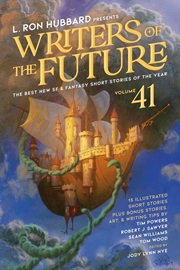
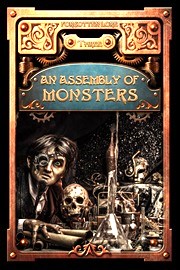
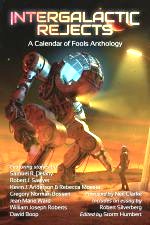
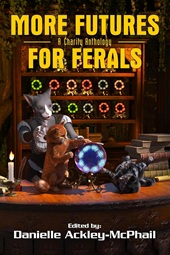
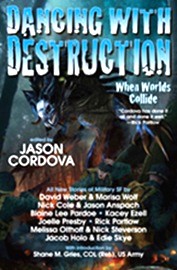
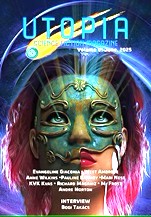
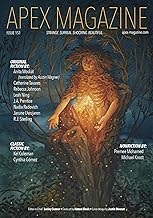
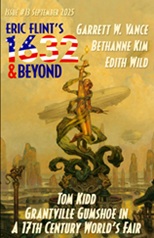
Below are covers from original anthologies that included at least one story making our list. Magazine covers (print and online) are interspersed throughout the list in no particular order.

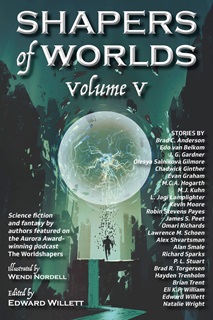


Short Stories
“Spoon, Fork, Knife” by Daniel Roop (Flash Fiction Online #136, 1/25) F (CDL)
“The Hag of Beinn Nibheis” by M. R. Robinson (Flash Fiction Online #136, 1/25) F (CDL)
“Our Lady of the Gyre” by Doug Franklin (Analog, 1-2/25) SF (VS)
“Prime Purpose” by Steve Rasnic Tem (Analog, 1-2/25) SF (VS)
“Quest of the Sette Comuni” by Paul Di Filippo (Analog, 1-2/25) SF (VS)
“Our Echoes Drifting Through the Marsh” by Marie Croke (Beneath Ceaseless Skies #423, 1/9/25) F (S)
“A Charm to Keep the Evil Eye Away From Your Campervan; or, Roamin’ Rights” by Christopher R. Muscato (Strange Horizons, 1/20/25) SF (VS)
“Murder in the Clavist Autonomous Zone” by Rich Larson (Strange Horizons, 1/20/25) SF (VS)
“Tell Them a Story to Teach Them Kindness” by B. Pladek (Lightspeed #176, 1/25) SF (VS)
“Someone to Feed You” by Abigail Kemske (Apex #148, 1-2/25) SF (LSZ)
“The Lonely Eldritch Hearts Club” by Faith Allington (Flash Fiction Online #137, 2/25) H (MR)
“Schism” by Kiernan Livingstone (Flash Fiction Online #137, 2/25) SF (MR)
“My Girlfriend Is a Nebula” by David DeGraff (Lightspeed #177, 2/25) SF (VS)
“The Swamp Mama’s Taste in Books” by Kim Zarins (Cosmic Roots and Eldritch Shores, 2/26/25) F (M)
“Not Alone” by Pat Murphy (Reactor, 2/25) SF (VS)
“Funerary Habits of Low Entropy Entities” by Damián Neri (Clarkesworld #222, 3/25) SF (VS)
“Pollen” by Anna Burdenko (Clarkesworld #222, 3/25) SF (VS)
“The Luring Lantern” by Laura Cranehill (Strange Horizons 3/3/25) H (VS)
“Drown-Haunted” by Corey Farrenkopf (Flash Fiction Online #138, 3/25) H (CR)
“Bleach” by M. C. A. Hogarth (Shapers of Worlds, 3/25) F (M)
“The Good Gornak” by James S. Peet (Shapers of Worlds, 3/25) SF (M)
“Forest Dark” by P. L. Stuart (Shapers of Worlds, 3/25) F (M)
“Cupid 2.0” by Brad C. Anderson (Shapers of Worlds, 3/25) SF (M)
“Red-Eye and Thunderbird” by Alan Smale (Shapers of Worlds, 3/25) SF/F (M)
“A Juggler’s Farce” by Natalie Wright (Shapers of Worlds, 3/25) F (M)
“The Matador and the Labyrinth” by C.C. Finlay (Diabolical Plots #121, 3/25) F (M)
“Memories of Temperance” by Anya Ow (Lightspeed #178, 3/25) F (VS)
“The Demon of Metrazol” by Ray Nayler (Asimov’s, 3-4/25) H (VS)
“NOT Optimus Prime” by Lorraine Alden (Analog, 3-4/25) SF (MB)
“The Language of Immersion” by Matt McHugh (DreamForge Anvil #19, Spring/25) SF (VS)
“Storm Damage” by T. R. Naus (Writers of the Future #41, 4/25) SF (M)
“Blackbird Stone” by Ian Keith (Writers of the Future #41, 4/25) SF/F (M)
“Code L1” by Andrew Jackson (Writers of the Future #41, 4/25) SF (M)
“Slip Stone” by Sandra Skalski (Writers of the Future #41, 4/25) SF (M)
“My Name Was Tom” by Tim Powers (Writers of the Future #41, 4/25) SF/F (M)
“Thirty Minutes or It’s a Paradox” by Patrick MacPhee (Writers of the Future #41, 4/25) SF (M)
“Beneath Green Skies, We Devour” by Ed McDonald (Grimdark #42, 4/25) SF (S)
“A Love Like Many Bruises” by Jeremy Szal (Grimdark #42, 4/25) SF (S)
“Only the Broken” by Clayton Snyder (Grimdark #42, 4/25) SF (S)
“An Even Greater Cold to Come” by Rich Larson (Clarkesworld #223, 4/25) SF (VS)
“Jukebox Cellist” by Brian D. Hinson (On Spec #131, Spring 2025) SF (VS)
“The Potter, His Daughter and the Boy With Tribal Marks on His Face” by Oyedotun Damilola Muees (Lightspeed #179, 4/25) F (M)
“To Navigate the Night” by Rich Larson (Lightspeed #179, 4/25) F (M)
“Akane is Dead” by Selphie Ke (Flash Fiction Online #139, 4/25) H (VS)
“How Grandpa Bear Saved Old Oak From Fire” by Ben Blattberg (Aurealis #179, 4/25) F (VS)
“For an Unnamed Succubus” by Howie K. Bentley (Swords of Steel IV, 4/25) F (VS)
“The Whitby Light” by James Chambers (An Assembly of Monsters, 5/25) F (M)
“To Those Who Are Ancient” by Danielle Ackley-McPhail (An Assembly of Monsters, 5/25) F (M)
“To Feel the Sun Again” by John. L. French (An Assembly of Monsters, 5/25) F (M)
“The Man Who Was Not Me” by Doc Coleman (An Assembly of Monsters, 5/25) F (M)
“The Year Without a Summer” by Jessica Lucci (An Assembly of Monsters, 5/25) F (M)
“Notre Dame de Linceul” by Ef Deal (An Assembly of Monsters, 5/25) F (M)
“The Library of the Apocalypse” by Rati Mehrotra (Clarkesworld #224, 5/25) SF/F (VS)
“Transubstantiation” by Sam W. Pisciotta (Flash Fiction Online #140, 5/25) F (VS)
“The Undefeated” by Thomas J. Griffin (Heroic Fantasy Quarterly #64, 5/25) F (VS)
“Laser Eyes Ain’t Everything” by Effie Seiberg (Diabolical Plots #123, 5/25) SF (M)
“Lies from a Roadside Vagabond” by Aaron Perry (Beneath Ceaseless Skies #432, 5/15/25) F (VS)
“Through the Machine” by P. A. Cornell (Lightspeed #180, 5/25) SF (VS)
“The Meaning We Seek” by Nancy Kress (Lightspeed #180, 5/25) SF (VS)
“The Robot and the Winding Woods” by Brenda Cooper (Analog, 5-6/25) SF (VS)
“Retail is Dying” by David Lee Zweifler and Ronan Zweifler (Analog, 5-6/25) SF (VS)
“The New Shape of Care” by Lynne Sargent (Analog, 5-6/25) SF (VS)
“In the Forest of Mechanical Trees” by Steve Rasnic Tem (Asimov’s, 5-6/25) SF (M)
“Woolly” by Carrie Vaughn SF (Asimov’s, 5-6/25) SF (M)
“Catherine Wheels” by E.L. Mellor (Mysterion, 5/25) F (M)
“The Last Mardi Gras” by Raven Jakubowski (DreamForge Anvil #20, Summer/25) SF (VS)
“And Chitz For All” by Raphael Stigliano (Story Unlikely, 6/25) F (DT)
“‘Twas Bato Did It” by David Skinner (Cirsova #23, Summer 2025) F (VS)
“Not a Fish” by Andrew Dykstal (Beneath Ceaseless Skies #434 6/12/25) F (VS)
“Life After Life After Life” by Christopher Blake (Intergalactic Rejects, 6/25) SF (CDL)
“Almost Time” by Andrew Jackson (Intergalactic Rejects, 6/25) SF (CDL)
“Tears in the Nursery” by Catherine Wells (Intergalactic Rejects, 6/25) F (CDL)
“Upsized Savior” by David Boop (Intergalactic Rejects, 6/25) SF (CDL)
“Paths, Littlings, and Holy Things” by Somto Ihezue (Diabolical Plots #124, 6/25) F (VS)
“Emily of Emerald Starship” by Ng Yi-Sheng (Clarkesworld #225, 6/25) SF (M)
“The Last Lunar New Year” by Derek Künsken (Clarkesworld #225, 6/25) SF (M)
“Penny Dreadful” by Lorina Stephens (On Spec #132, Summer 2025) F (VS)
“The Feather Tree” by KJ Kabza (Beneath Ceaseless Skies #435 6/26/25) F (VS)
“False Equivalencies” by Evangeline Giaconia (Utopia SF, 6/25) SF (CDL/M)
“Skinny Legs” by Pauline Barmby (Utopia SF, 6/25) SF (M)
“Eyes Grown Thick on the World” by Will McMahon (Lightspeed #181, 6/25) F (MB)
“Till Earth and Heaven Ring” by K. S. Walker (Strange Horizons, 6/30/25) F (VS)
“Hidden Achievement” by Shane Tourtellotte (Analog, 7-8/25) SF (VS)
“Low-Tide Salvage” by Matthew Claxton (Analog, 7-8/25) SF (VS)
“Jennifer Does Pushups” by Joseph Weber (Analog, 7-8/25) SF (VS)
“My Song at the Conclave of Many Sorrows” by Daniel A. Oluremi (Apex #150, 7-8/25) F (VS)
“The Red Migration” by Dana Wall (Story Unlikely, 7/25) F (VS)
“The Name” by Abhishek Sengupta (Grimdark #43, 7/25) F (VS)
“Hungry Ghosting” by Anne Mai Yee Jansen (Nightmare #154, 7/25) H (VS)
“Thirteen Swords That Made a Prince: Highlights from the Arms & Armory Collection” by Sharang Biswas (Strange Horizons, 7/14/25) F (DT)
“Beyond the Sea” by Kevin Eric Paul (Sci Phi Journal, Summer/25) SF (VS)
“Gods of Science” by Lily Black (Sci Phi Journal, Summer/25) SF (VS)
“Please Properly Cage Your Words” by Beth Goder (Diabolical Plots #125, 7/25) DF (EK)
“Un-Pragmagic: A Tyler Moore Retrospective” by Spencer Nitkey (Lightspeed #182, 7/25) F (MB)
“Finding Love in a Time Loop: A How-To Guide” by Leah Cypess (Lightspeed #182, 7/25) SF (MB)
“You Knit Me Together in My Mother’s Womb” by Paul Crenshaw (Lightspeed #182, 7/25) F (MB)
“Escaping the What-Ifs” by Michael Knopp (Eric Flint’s 1632 & Beyond #12, 7-8/25) SF (VS)
“Redemption Song” by Quan Barry (Reactor, 7/25) SF (M)
“The Forgotten” by Trae Hawkins (Beneath Ceaseless Skies #438, 8-7/25) F (VS)
“Poorly Salted, Well-Loved” by Athar Fikry (Strange Horizons, 8-11/25) F (FT)
“Sea Henge” by Phil Emery (Heroic Fantasy Quarterly #65, 8/25) F (M)
“Damage Abatement” by Dawn Vogel (Utopia SF, 8/25) SF (CR)
“Speak” by Nico Martinez Nocito (Utopia SF, 8/25) SF (CR)
“The Capture: by Raja’a Khalid (Strange Horizons, 8-25/25) F (FT)
“It Might Be He Returns” by Fatima Taqvi (Lightspeed #183, 8/25) F (FT)
“Dad Went Out To Get The Milk” by Osahon Ize-Iyamu (Lightspeed #183, 8/25) F (FT)
“Boys and Girls Together” by Larry Niven (Analog 9-10/25) SF (VS)
“The Heartbreak Hotel on Plutonic Planet” by Carolyn Zhao (Strange Horizons, 9-1/25) F (FT)
“Abstraction Is When I Design Giant Death Creatures and Attraction Is When I Do It for You” by Claire Jia-Wen (Clarkesworld #228, 9/25) SF (AX)
“The Expurgator” by Shiwei Zhou (Asimov’s, 9-10/25) SF/F (M)
“The Night Heron Rescue” by Alice Towey (Asimov’s, 9-10/25) F (M)
“Love Me Do, Played On Concrete Instruments” by Douglas Kolacki (DreamForge Anvil #21, Fall/25) SF (M)
“Finding A Voice” by Christopher Passeto (DreamForge Anvil #21, Fall/25) F (M)
“Do You Wear a Bulletproof Vest, Lieutenant” by Rodica Breton (Cirsova #24, Fall 2025) F (S)
“Ghosts in the Green” by Mike Robinson (Cirsova #24, Fall 2025) F (S)
“Autogas Ferryman” by Champ Wongsatayanont (Nightmare #156, 9/25) H (VS)
“Half-Rapt” by Karen Heuler (Sci Phi Journal, Autumn/25/3) F (VS)
“Patriot Graves” by Liam Hogan (Sci Phi Journal, Autumn/25/3) SF (VS)
“A Touch of the Wild” by Annie Wilkins (Flash Fiction Online #145, 10/25) F/H (M)
“Woodsong” by Arthur H. Manners (Flash Fiction Online #145, 10/25) F/H (M)
“the love song of house and lake” by Gillian Secord (On Spec #133, Autumn/25) F (VS)
“When the Stars Threw Down Their Spears” by John Park (On Spec #133, Autumn/25) SF (VS)
“Catch a Tiger in the Snow” by Ray Nayler (Asimov’s, 11-12/25) SF (VS)
“Smart Space Cats” by Anton Kukal (More Futures for Ferals, 10/25) SF (CDL)
“The Versions of Yourself That You’re Better Off Without” by Aimee Ogden (Nightmare #157, 10/25) H (DWH)
“Model Collapse” by Matthew Kressel (Reactor, 10/25) F (AX)
“Everyone Hates the Auditor” by Megan Chee (Lightspeed #185, 10/25) SF (MB)
“The Stone Played at Tengen” by R. H. Wesley (Clarkesworld #230, 11/25) SF (VS)
“Unfinished Conversations Package” by Chris Baker (Flash Fiction Online #146, 11/25) SF (VS)
“The Mountain at the Heart of the Labyrinth” by Deborah L. Davitt (Analog, 11-12/25) SF (AX)
“Termina” by Subodhana Wijeyeratne (Analog, 11-12/25) SF (AX)
“Mammoth” by C.L. Schacht (Analog, 11-12/25) SF (AX)
“Chalice” by James L. Cambias (Analog, 11-12/25) SF (AX)
“Great Fire” by MR Timson (Heroic Fantasy Quarterly #66, 11/25) F (DWH)
“Dreams of an Eden” by Jed Jaleco Del Rosario (Cirsova #25, Winter 2025) SF (VS)
“How to Build a Homecoming Queen: A Guide by a Bad Asian Girl” by Tina S. Zhu (Lightspeed #186, 11/25) F (AX)
“The Cold Burning Light of Her” by Sam W. Pisciotta (Lightspeed #186, 11/25) F (AX)
“Last Trip to the Garden Dome” by Robert E. Harpold (DreamForge Anvil #22, Winter/25) SF (M)
“Dog Helps Those…” by Jane Lindskold (DreamForge Anvil #22, Winter/25) F (M)
“Bloodless” by Emily Woodworth (Strange Horizons, 10/15/25) F (DWH)
“Shahmeran” by Leyla Hamedi (Nightmare #159, 12/25) H (VS)
“Imperfect Simulations” by Michelle Z. Jin (Clarkesworld #231, 12/25) SF (MB)
“The Last Page Of The Magazine” by Andrew Gudgel (Sci Phi Journal, 4/25) SF (AX)
“Reality Check” by Nancy Kress (Lightspeed #187, 12/25) SF (VS)
“Memories of the MindMine” by David Marino (Lightspeed #187, 12/25) F (VS)
“Queen of the Sword” by Fiona Heath (On Spec #134, Winter/25) F (M)
“The Steady March of Progress” by Andrea Bernard (On Spec #134, Winter/25) F (M)
“Title IX” by Derryl Murphy (On Spec #134, Winter/25) H/SF/F (M)
“Victim Impact Statement” by Catherine Austen (On Spec #134, Winter/25) SF (M)
“Eris” by Glenn Willmott (On Spec #134, Winter/25) SF (M)
“Leto’s Demons” by Colleen Anderson (On Spec #134, Winter/25) SF/F (M)
“Québec” by Lorina Stephens (On Spec #134, Winter/25) F (M)
“One Hand Washes The Other” by Karl El-Koura (On Spec #134, Winter/25) SF (M)
“Waking Up” by D.G. Valdron (On Spec #134, Winter/25) F/H (M)
“Forever Bound” by KT Wagner (On Spec #134, Winter/25) F/H (M)

Short Stories One Star
“The Heartbreaker’s Apprentice” by Catherine George (Flash Fiction Online #136, 1/25) F* (CDL)
“Moist Breath of a Cold Stranger” by KT Wagner (Flash Fiction Online #136, 1/25) F* (CDL)
“The Ice Cutter’s Daughter and Her Looking Glass” by Nadia Born (Flash Fiction Online #136, 1/25) F* (CDL)
“What the Frog’s Eye Tells the Frog’s Brain” by Beston Barnett (Asimov’s, 1-2/25) SF* (M)
“Half Drowned” by S. L. Harris (Beneath Ceaseless Skies #423, 1/9/25) F* (S)
“Ticket po Mamser.” by Caroline Hung (Strange Horizons, 2/10/25) SF* (CR)
“The Qalupalik” by Shantell Powell (Flash Fiction Online #138, 3/25) H* (CR)
“Magic That Cannot Be Undone” by Jeffrey G. Gardner (Shapers of Worlds, 3/25) F* (M)
“Never Again the Same” by L. Jagi Lamplighter (Shapers of Worlds, 3/25) F* (M)
“Rumspringa in Sanzheika” by Alex Shvartsma (Shapers of Worlds, 3/25) SF* (M)
“Pole Dancer” by Brad R. Torgersen (Shapers of Worlds, 3/25) SF* (M)
“The Crumbling Walls: A Tale of Nahwalla” by Omari Richards (Shapers of Worlds, 3/25) F* (M)
“The Beasts at the End of the World” by Brian Trent (Shapers of Worlds, 3/25) SF/F* (M)
“Extenta” by Daniel Roop (Apex #149, 4/25) SF* (CR)
“Born Pious” by Peter McLean (Grimdark #42, 4/25) F* (S)
“Kill Switch” by Robert F. Lowell (Writers of the Future #41, 4/25) SF* (M)
“The Boy from Elsewhen” by Barlow Crassmont (Writers of the Future #41, 4/25) SF* (M)
“Ascii” by Randyn C. J. Bartholomew (Writers of the Future #41, 4/25) SF* (M)
“The Rune Witch” by Jefferson Snow (Writers of the Future #41, 4/25) F* (M)
“A Sad and Bitter World” by Hildy Silverman (An Assembly of Monsters, 5/25) F* (M)
“A Legacy of Fangs (A Van Helsing Tale)” by Teel James Glenn (An Assembly of Monsters, 5/25) F* (M)
“A Clockwork Heart” by Christine Norris (An Assembly of Monsters, 5/25) F* (M)
“Evil Obscura” by Rachel A. Brune (An Assembly of Monsters, 5/25) F* (M)
“The Rat King Who Wasn’t” by Stephen Granade (Diabolical Plots #123, 5/25) F* (M)
“Gravitational Tug” by Anne Wilkins (Utopia SF, 6/25) SF* (M)
“Multi-Spatial Apartment Complex Malfunction Results in Body Horror” by Reyes Ramirez (Lightspeed #181, 6/25) SF* (MB)
“The Seal Wife” by Madeline White (Flash Fiction Online #141, 6/25) F* (CR)
“The Muse Murders” by Michael Pryor (Aurealis #181, 6/25) F* (CR)
“Worm Song” by Derek Künsken (Asimov’s, 7-8/25) SF* (M)
“My Gallery Granddaughter” by Gretchen Tessmer (Mysterion, 7/25) F* (M)
“Bright and Distant as the Moons” by Joshua Lampkins (Mysterion, 7/25) F* (M)
“Bloody Muddy Water” by Jonathan Louis Duckworth (Beneath Ceaseless Skies #439, 8-21/25) F* (AX)
“Goes the Way of the Seabird” by Mia Kelly (Aurealis #184, 9/25) DF* (EK)
“Strays” by Scott William Carter (Asimov’s, 9-10/25) SF* (M)
“Lolo’s Last Run” by E. M. Kerkman (Asimov’s, 9-10/25) SF/F* (M)
“Play It Again” by Bruce Golden (DreamForge Anvil #21, Fall/25) SF* (M)
“The Easy Song” by Colm O’Shea (DreamForge Anvil #21, Fall/25) F* (M)
“On the Effects and Efficiency of Birdsong: A Meta-Analysis” by F.T. Berner (Diabolical Plots #127, 9/25) SF/F* (AX)
“The Merchants of Maaaw” by Mark Pellegrini (Cirsova #24, Fall 2025) F* (FT)
“Drown Melancholy” by Stanley Wheeler (Cirsova #24, Fall 2025) F* (S)
“Heart of the Goddess” by Harold R. Thompson (Cirsova #24, Fall 2025) F* (S)
“Compass Rose, Running” by Julie Reeser (Beneath Ceaseless Skies #440, 9/4/25) F* (AX)
“Apeiron” by Cadwell Turnbull (Lightspeed #184, 9/25) SF* (GH)
“The Horrible Conceit of Death and Night” by J.A. Prentice (Apex #151, 10/25) F* (GH)
“The Cancer Wolves” by Fiona Moore (Clarkesworld #229, 10/25) SF* (CR)
“In Luck’s Panoply Clad, I Stand” by Phoebe Barton (Clarkesworld #229, 10/25) SF* (CR)
“The Third Movement of Time” by RJ Taylor (Beneath Ceaseless Skies #442, 10/2/25) F* (M)
“Palimpsest” by Melissa A Watkins (Strange Horizons, 11/3/25) SF* (CR)
“The Underappreciation of Danny White” by David Ebenbach (Analog, 11-12/25) SF* (AX)
“The Beasties” by Dorothy-Jane Daniels (Aurealis #186, 11/25) SF* (EK)
“Beneath the Umdlebe Tree; or, A Vegetable Love Story” by Modupeoluwa Shelle (Lightspeed #186, 11/25) F* (AX)
“Darjeeling & Demons” by David Hankins (DreamForge Anvil #22, Winter/25) F* (M)
“Last Vacation of a Termite” by Michèle Laframboise (On Spec #134, Winter/25) SF* (M)
“A Need For Space” by Marie Labrousse (On Spec #134, Winter/25) SF* (M)
“The Dragon She Didn’t Want” by Adrian Croft (On Spec #134, Winter/25) F* (M)
“The Billy Goat’s Bluff” by Stephen Kotowych (On Spec #134, Winter/25) F* (M)
Short Stories Two Stars
“In Our Skin” by Kelsea Yu (Nightmare, 2/25) H/SF** (CR)
“Quid est Veritas?” by Edward Willett (Shapers of Worlds, 3/25) SF** (M)
“Grey Scale” by Hayden Trenholm (Shapers of Worlds, 3/25) SF** (M)
“Do Unto Others” by Corrie Haldane (Cosmic Roots & Eldritch Shores, 3/25) F** (CR)
“Lies as the Natural State of Things” by Rich Larson (Apex #149, 3-4/25) F** (CR)
“Things the Older Boy Understand” by Sierra Branham (Apex #149, 3-4/25) SF** (CR)
“The Fifth Horseman” by Cressida Roe (Apex #149, 3-4/25) F** (CR)
“The Brackwater Son” by Andrea Stewart (Grimdark #42, 4/25) F** (S)
“The Stench of Freedom” by Joel C. Scoberg (Writers of the Future #41, 4/25) F** (M)
“A World of Repetitions” by Seth Atwater Jr. (Writers of the Future #41, 4/25) SF** (M)
“The Swap” by Lavie Tidhar (Apex, Mini Issue, 6/25) SF** (CR)
“The Hat Rack” by Katherine Heath Shaeffer (Apex, Mini Issue, 6/25) H** (CR)
“Disclaimer: This Is Not Your Child” by Steve Loiaconi (Intergalactic Rejects, 6/25) SF** (CDL)
“Asylum” by David Whitmarsh (Cosmic Roots & Eldritch Shores, 6/25) SF** (S)
“This Island Toward Which I Row and Row Yet Cannot Reach Alone” by Jennifer Lesh Fleck (Flash Fiction Online #141, 6/25) SF** (CR)
“Resurrections” by Emet North (Strange Horizons, 7/21/25) F** (FT, S)
“Feast of Famine” by Adam-Troy Castro (Lightspeed #183, 8/25) SF** (FT)
“The Sound Your Soul Makes When It’s Happy” by Markus Wessel (Aurealis #184, 9/25) DF** (EK)
“The Glorious Pursuit of Nominal” by Lisa Brideau (Diabolical Plots #127, 9/25) SF** (DT, AX)
“She Who Was the Sea” by J. Thomas Howard (Cirsova #24, Fall 2025)** F (S)
“Catch and Consume” by Ella T Holmes (Aurealis #185, 10/25) SF** (EK)
“Hooked” by Caroline Barnard-Smith (Aurealis #185, 10/25) SF** (EK)
“The Job Interview” by Carrie Vaughn (Clarkesworld #229, 10/25) SF** (CR)
“Fluf” by F.R. Michaels (More Futures for Ferals, 10/25) F** (CDL)
“Lies Of Omission” by C. Dan Castro (Mysterion, 10/25) DF** (EK)
“The Belle of the Ball” by Stephen Graham Jones (Reactor 11/12/25) SF** (EK)
“A Mischief of Disciples” by Matt McHugh (Utopia SF, 12/25) SF** (CR)
Short Stories Three Stars
“Antu” by Derek Kho (Mysterion, 2/25) DF*** (EK)
“The Gift” by Charlie Kondek (Mysterion, 3/25) DF*** (EK)
“A Playlist for the End of Humankind” by JB Draper (Aurealis #181, 6/25) SF*** (CR)
“The Saint of Arms” by Mason Yeater (Diabolical Plots #125, 7/25) DF*** (EK)
“Timestorm” by L.H. Phillips (Mysterion, 8/25) DF*** (EK)
“Farmhouse of the Lost and Found” by Ramez Yoakeim (Aurealis #184, 9/25) SF*** (EK)
“Birdie” by John Pegios (Aurealis #185, 10/25) SF*** (EK)
“The Great Tree Migration” by Sam Cecins (Aurealis #186, 11/25) DF*** (EK)
“Tucking My Feathers in Your Brittle Heart” by Sophia-Maria Nicolopoulos (Aurealis #186, 11/25) SF*** (EK)


Novelettes
“Rejuve Blues” by John Shirley (Analog, 1-2/25) SF (VS)
“Beyond Everything” by Wang Yanzhong (Clarkesworld #220, 1/25) SF (VS)
“The Temporary Murder of Thomas Monroe” by Tia Tashiro (Clarkesworld #220, 1/25) SF (VS)
“The Code of His Life” by Owen Leddy (Analog, 3-4/25) SF (MB)
“Nian: A New Year Story” by Leeyee Lim (Strange Horizons 4/21/25) SF/F (VS)
“Still Water” by Zhang Ran (Clarkesworld #223, 4/25) SF (VS)
“Zephyr” by Sofia Rhei (Strange Horizons 4/28/25) F (VS)
“Last Train from Deadwall” by André Geleynse (Beneath Ceaseless Skies #433, 5/29/25) F (VS)
“Isolate” by Tom R. Pike (Analog, 5-6/25) SF (VS)
“The Scientist’s Book of the Dead” by Gregor Hartmann (Analog, 5-6/25) SF (VS)
“The Sack of Burley Cottage” by Rich Larson (Reactor, 6/25) SF (VS)
“Welcome to Kearny” by Gary Kloster (Clarkesworld #226, 7/25) SF (VS)
“Another Mother on Mars” by Dominica Phetteplace (Asimov’s, 7-8/25) SF (M)
“In the Gardener’s Service” by Michèle Laframboise (Asimov’s, 7-8/25) SF/F (M)
“With Only a Razor Between” by Martin Cahill (Reactor, 8/25) SF (MB)
“In a Desolate Garden” by Auston Habershaw (Analog, 9-10/25) SF (VS)
“Elector” by Stephen Case (Analog, 9-10/25) SF (VS)
“A Tide of Paper” by Leah Cypess (Asimov’s, 9-10/25) F (M)
“If a Digitized Tree Falls” by Ken Liu and Caroline M. Yoachim (Reactor, 9/25) SF (VS)
“The Last of Atlantis” by James Morrow (Beneath Ceaseless Skies #442, 10/2/25) F (M)
“Mudfoots” by Eric Del Carlo (Asimov’s, 11-12/25) SF (VS)
“A Random Walk Through the Goblin Library” by Chris Willrich (Beneath Ceaseless Skies #443, 10/16/25) F (AXY)
“Faith” by Kate Maruyama (Analog, 11-12/25) SF (AX)
“The Hole” by Ferenc Samsa (Clarkesworld #231, 12/25) SF (MB)

Novelettes One Star
“Shadow of Shadows” by Frank Ward (Asimov’s, 1-2/25) SF* (M)
“The Tin Man’s Ghost” by Ray Nayler (Asimov’s, 5-6/25) SF* (M)
“The Eighth Pyramid” by Louis Inglis Hall (Clarkesworld #225, 6/25) SF* (M)
“In the Shells of Broken Things” by A.T. Greenblatt (Clarkesworld #225, 6/25) SF* (M)
“Four People I Need You to Kill Before the Dance Begins” by Louis Inglis Hall (Clarkesworld #228, 9/25) SF* (AX)
“The Last of Operation Shroud” by Alexander Jablokov (Asimov’s, 9-10/25) SF* (M)
“The Angel Azrael Visits the Trading Post at the End of the World a Final Time” by Peter Darbyshire (Beneath Ceaseless Skies #444, 10/30/25) F* (AX)
“Where the Hell Is Nirvana?” by Champ Wongsatayanont (Reactor, 10/25) F* (AX)
“Elegy for Zephyr One” by Gene Doucette (Lightspeed #186, 11/25) SF* (AX)

Novelettes Two Stars
“Honey Fang’s Confessor” by D.G.P Rector (Mysterion, 4/25) DF** (EK)
“Palm Strike’s Last Case” by Charlie Jane Anders (Grimdark #42, 4/25) SF** (S)
“The Watcher Awakens” by David A. Hewitt (Mysterion, 6/25) SF** (EK)
“Liecraft” by Anita Moskát (Apex #151, 10/25) F** (GH)
“Courtney Lovecraft’s Book of the Dead” by Sam J. Miller (Nightmare #157, 10/25) H ** (DWH)
“The Pirates of Pan” by James Dick (Analog, 11-12/25) SF** (AX)
“Stray” by Wes Berger (Mysterion, 12/25) DF** (EK)


Novelettes Three Stars
“The Joy of the Chase” by Jacob Holo & Edie Skye (Dancing with Destruction, 7/25) SF*** (RC)
“Concursante” by Jason Cordova (Dancing with Destruction, 7/25) SF*** (RC)
“Ghost in the Garden” by Jim Breyfogle (Cirsova #24, Fall 2025) F*** (S, FT)
“The Great Condiment Caper” by Jacob Holo with Thomas Pope (Challenges, 11/25) SF***(RC)
“Barnacle” by Kate Elliott (Reactor 11/05/25) SF*** (EK)


Novellas
“Weather Duty” by Kristine Kathryn Rusch (Asimov’s, 3-4/25) SF (VS)
“Spare Parts for the Mind” by Greg Egan (Asimov’s, 11-12/25) SF (VS)

Novellas One Star
“Moon and Mars” by James Patrick Kelly (Asimov’s, 1-2/25) SF* (M)
“Does Harlen Lattner Dream of Infected Sheep? parts I and II” by Sarah Langan (Lightspeed #179, 25/4) SF* (M)
“The Passage” by John Richard Trtek (Asimov’s, 5-6/25) SF* (M)
“The Signal and the Idler” by Ted Kosmatka (Asimov’s, 9-10/25) SF* (M)
“The Ghost” by John Kessel (Asimov’s, 9-10/25) SF/F* (M)

Novellas Two Stars
“The Chronolithographer’s Assistant” by Suzanne Palmer (Asimov’s, 7-8/25) SF** (M)

Novellas Three Stars
There were no three star novella recommendations this year.